Juniper Online - Buy and Sell anything you want
What are you looking for?
Trending Listings
View all
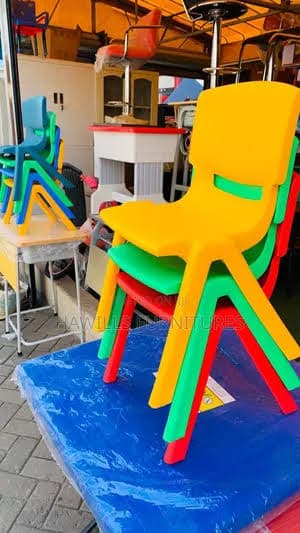
All Items
GH₵ 580,000
Cargo Container Truck
Accra Central, Greater Accra, Ghana

GH₵ 200,000
Ek Electric Car
Adabraka, Greater Accra, Ghana
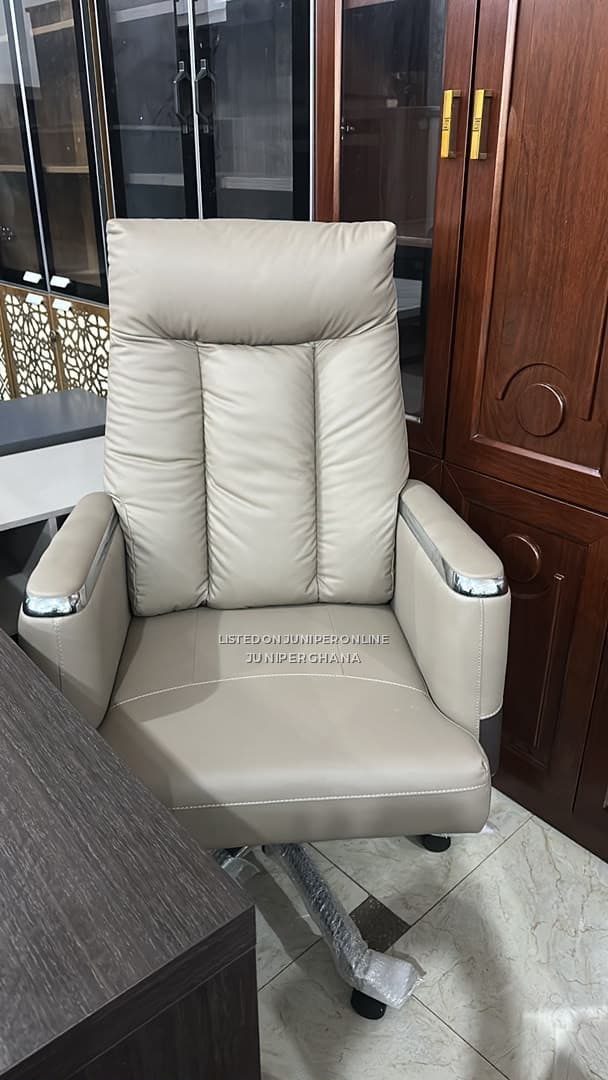
GH₵ 4,900
Executive office chair
Achimota, Greater Accra, Ghana

GH₵ 8,500
Reception Desk/ Front Desk
Achimota, Greater Accra, Ghana
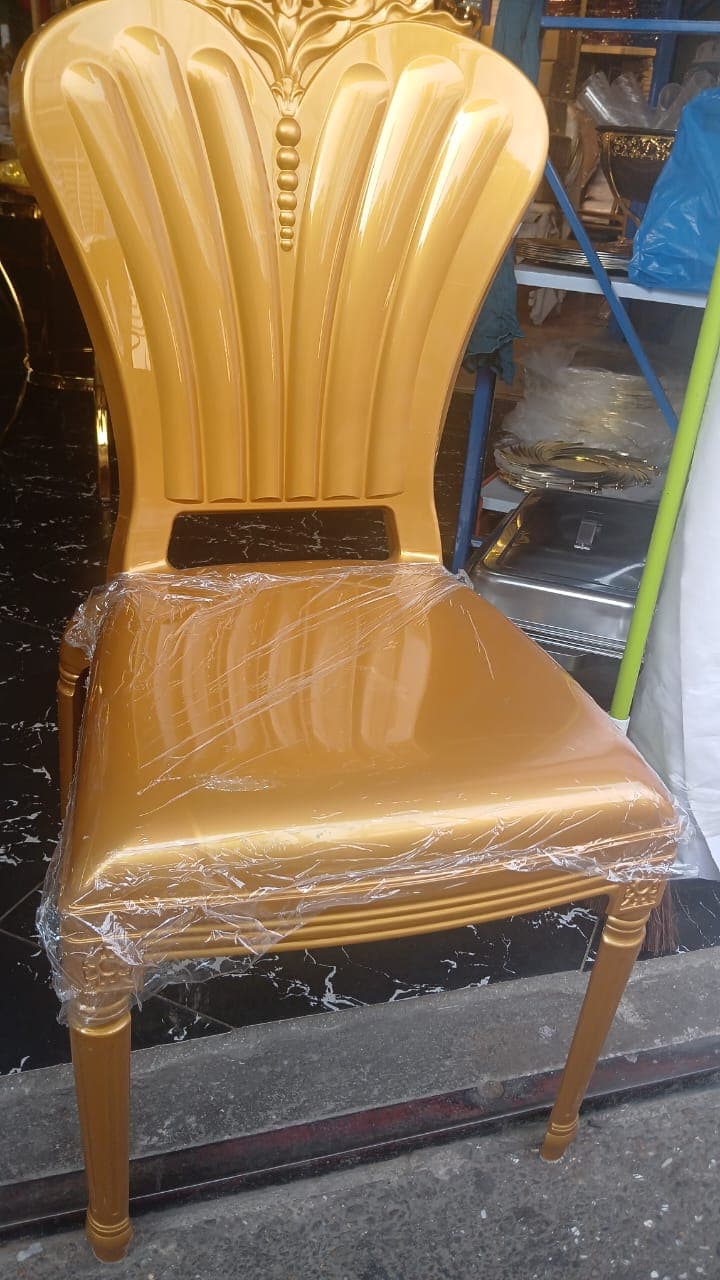
GH₵ 450
Auditorium plastic Chair
Anyaa, Greater Accra, Ghana

GH₵ 25,000
Executive Conference Table For Sale
Anyaa, Greater Accra, Ghana
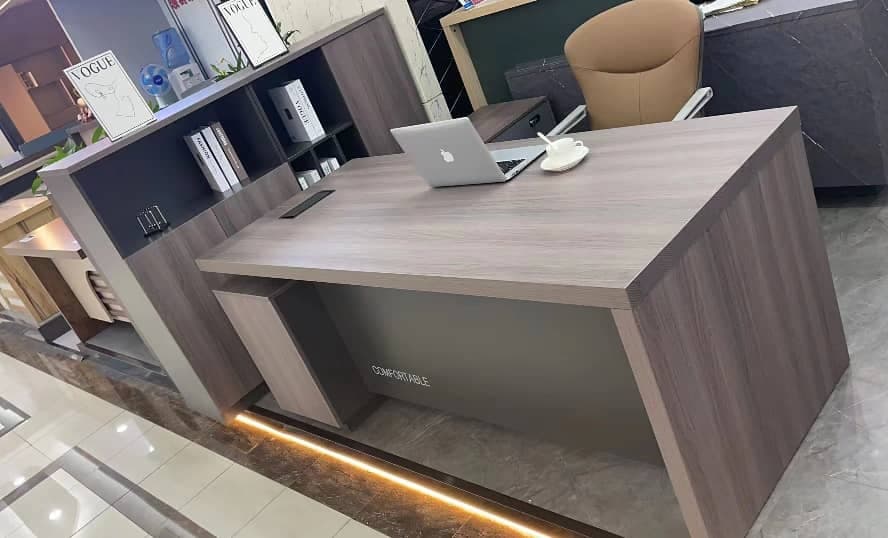
GH₵ 6,900
Executive Office Desk
Anyaa, Greater Accra, Ghana

GH₵ 1,850
Single Sofa
Dome, Greater Accra, Ghana
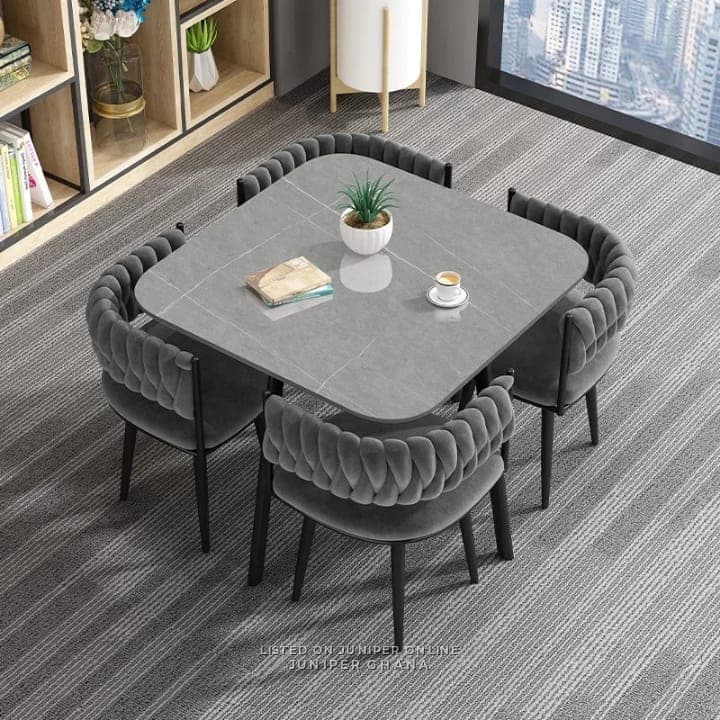
GH₵ 2,990
Dining Set
Anyaa Market, Greater Accra, Ghana
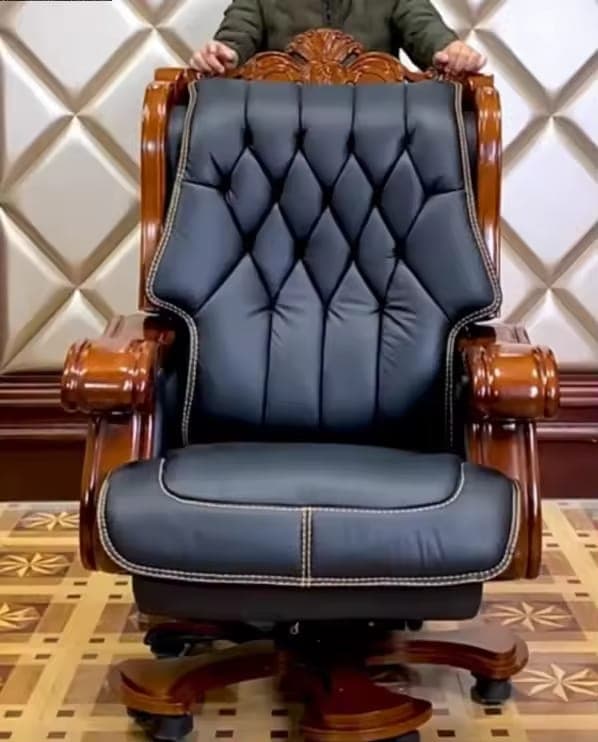
GH₵ 9,000
Executive Office Chair
Anyaa, Greater Accra, Ghana
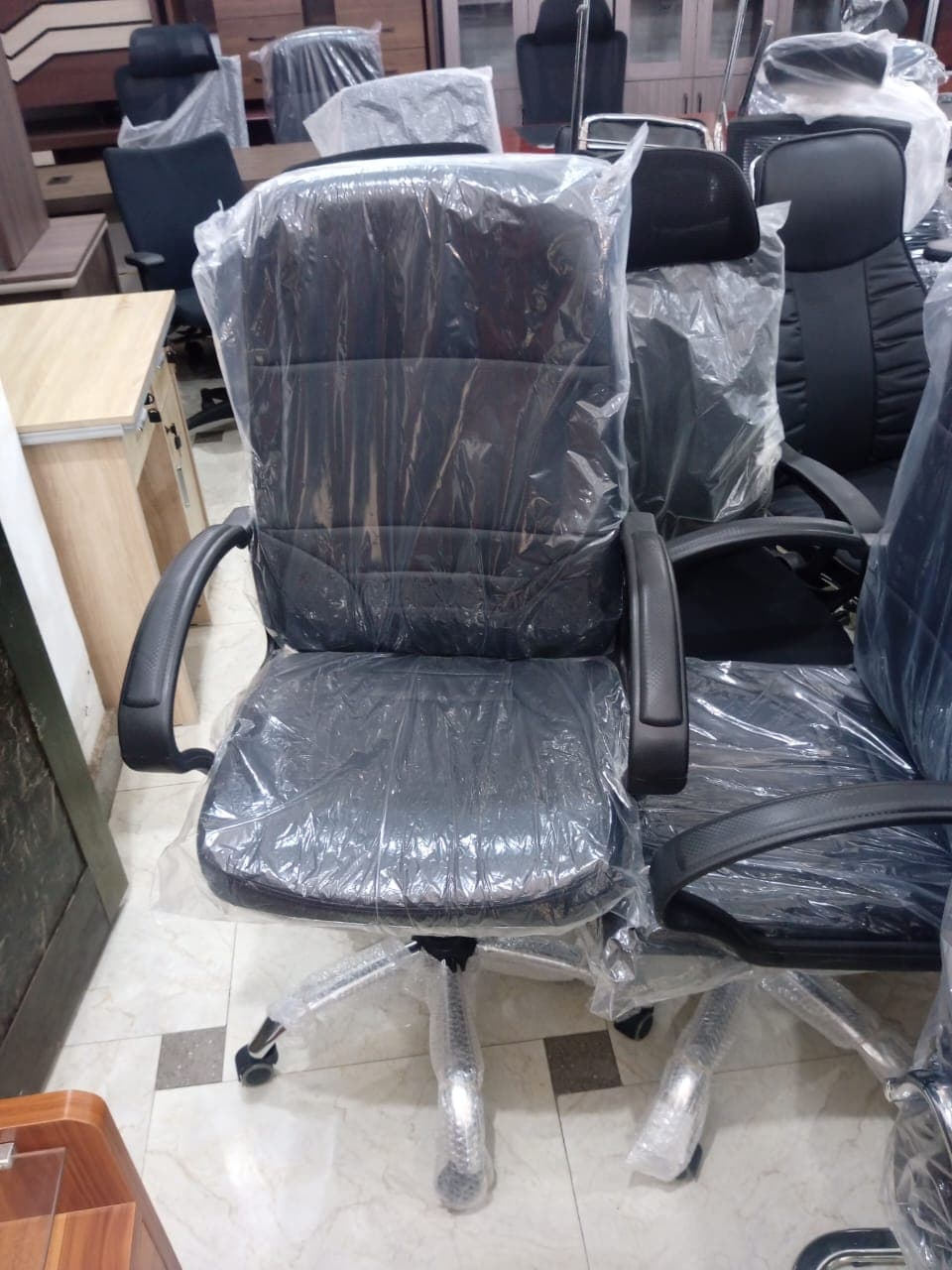
GH₵ 3,000
Office Chair
Anyaa, Greater Accra, Ghana
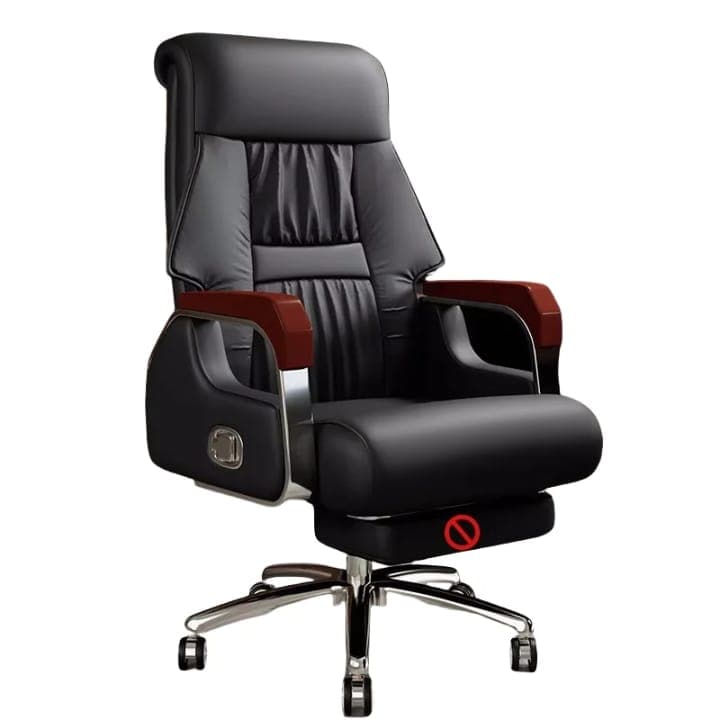
GH₵ 4,500
Executive Office Chair
Anyaa, Greater Accra, Ghana
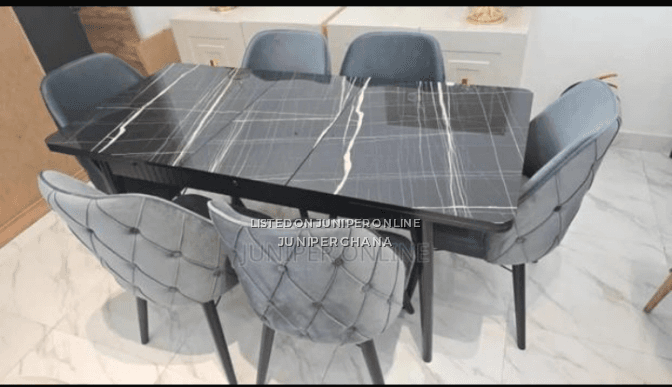
GH₵ 13,500
Dining Set
Anyaa Market, Greater Accra, Ghana

GH₵ 18,000
Dining Set
Dworwulu, Greater Accra, Ghana

GH₵ 2,800
Office Desk
Anyaa, Greater Accra, Ghana
Buying and selling on Juniper Online
Juniper Online is an online marketplace for people across Ghana. Sellers list what they want to sell, buyers browse and get in touch directly, and the two sides agree the price and the handover between themselves. There is no middleman taking a cut of the sale, and you do not need a shop or a website of your own to start selling.
What people sell here
The busiest parts of the site are cars and spare parts. Phones and tablets come next, then laptops and home electronics. Property to rent or buy is close behind. You will also find furniture and kitchen appliances. Clothing, shoes and beauty products sell well. So do sports gear, musical instruments and books. Farm produce, livestock and pets each have their own section. Services are listed too, such as repairs, cleaning and tuition. Jobs are posted here as well. The same place that sells you a desk can help you find the work to go with it.
How to post an advert
Posting takes a few minutes. Create an account, choose the category that fits what you are selling, then write a short clear title and an honest description. Say the condition it is in, whether anything is missing or broken, and why you are selling it. Add your own photos in good daylight rather than pictures taken from another website, and show it from more than one angle. Set a price you would actually accept, and say whether you are open to offers. Adverts with real photos and a straight description get answered far more often than ones without.
Staying safe
Meet in a public place during the day, and bring someone with you if the item is valuable. Inspect the goods before you hand over money, and test electronics while you are still with the seller. Be careful with anyone who refuses to meet, pushes you to pay quickly, or asks for a deposit before you have seen the goods. Prices far below what everything else costs are usually a warning sign rather than a bargain. If an advert looks wrong, report it so it can be reviewed and removed.
Scams worth knowing
Most of them are old and simple. Someone sends a screenshot of a payment that never arrives, so wait for your own bank or wallet message rather than theirs. Someone pays too much and asks for the difference back. Someone wants to send a courier for the goods and pay later. Someone will only talk on another app and pushes you to move there fast. Someone claims to be out of town and offers to post the item. The answer in every case is the same. No money and no goods leave your hands until the other side has done their part in front of you.
Keeping your account safe
Use a password you do not use anywhere else. Never read out a code that arrives by text, whatever reason you are given. Nobody from this site will ask you for one, and anyone who does is trying to take your account. Sign out on a shared or borrowed phone. If a buyer or seller asks you to log in again through a link they sent, do not. Open the site yourself instead. Look over your live adverts now and then, and report anything you did not post.
Answering a job advert
A real employer does not ask you to pay. Not for the form, not for training, not for a uniform, and not for a placement fee. If an advert asks you for money at any stage, it is not a job. Read it for the things a real one has: the company, the place of work, the hours and the pay. Ask for those in writing if they are missing. Be careful with any advert that promises a large wage for easy work with no experience. Send your details to the address in the advert, and keep your bank details out of a first message.
Paying and getting the item to you
Payment and delivery are arranged between the buyer and the seller, so agree both before anyone travels. Cash on collection is still the most common way to settle. Mobile money is widely used once the two sides trust each other. Ask who pays for transport before you agree a price. This matters most for bulky things like a fridge, a bed or a car part. Something cheap but far away can cost more to move than it saves. Sellers who name their town in the advert get fewer wasted calls.
Getting a better price
Before you agree anything, search the site for the same thing and see the figures other people are asking. A few minutes of looking tells you whether a price is fair, and it gives you something concrete to point at when you negotiate. Buyers should ask how old a thing is, whether it has been repaired, and why it is being sold. Sellers get better results by answering messages quickly, keeping the price realistic, and taking the listing down once it has gone. An old listing that is still up after the sale wastes everyone time, including your own.
Writing a good advert
Put the important words in the title: the make, the model, the size and the condition. Someone searching for a specific phone or a specific car part is typing those words, and a listing titled only "phone for sale" will rarely be found. In the description, write the way you would explain a thing to a friend. Mention which parts are included in the box, which are not, and anything a buyer would be annoyed to discover later. Being upfront about a scratch or a fault costs you nothing and saves a wasted trip for both sides.
Searching without wasting time
If a search returns too much, narrow it by category first and then by price, rather than scrolling through everything. Use the words a seller would have typed. Model numbers, sizes and brand names find far more than general terms. Set your town in the location picker. Then the results are ones you could go and collect. Widen the distance again if too little comes back. Save anything you are unsure about. That gives you time to compare it with others. The listing also stays to hand if you come back to it later.
Buying second hand well
Most of the goods changing hands here are used, and that is where the savings are. A phone one model behind the newest one costs far less and does almost everything the new one does. Office furniture and appliances are often sold by businesses that are moving or closing, so the condition is better than the price suggests. With anything electrical, ask to plug it in before you pay. With a car, ask for the service history and take someone who knows engines. With furniture, check the joints and the drawers rather than the surface. The questions are simple, and asking them is the difference between a bargain and a regret.
Checking a phone or a laptop
Look at the screen for cracks and dead spots first. Turn it on and watch it start up. Ask how old the battery is and whether it has ever been changed. A phone that needs charging twice a day is worth much less than one that lasts the day. Ask for the charger and the box if the seller still has them. Test the cameras, the speaker and the charging port before you pay. On a laptop, open a few programs at once and listen to the fan. Press every key, and try both sides for ports that no longer work.
Cars, bikes and spare parts
Ask to see the papers before you travel, so you know who owns it and that the details match the seller. Look at the tyres, the lights and underneath for rust. Start the engine from cold rather than warm, because a warm engine hides a lot. Drive it if the seller allows, and listen at low speed with the radio off. For spare parts, the part number matters more than the name. Take a photo of the old part and of any label on it, then ask the seller to confirm the make, the model and the year it fits. A part that nearly fits is a part you cannot use.
Furniture and large appliances
Measure the space before you buy anything big. A bed or a fridge that will not go through the door is a common and costly mistake, so take the width of the doorway and the stairs as well as the room. With a fridge or a freezer, ask to see it running and cold. An hour of notice is enough for the seller to switch it on. With a washing machine, ask when it last ran and look under it for leaks. On beds and sofas, check the frame rather than the cover. A torn cover is cheap to put right. A broken frame is not.
Looking at a place to rent or buy
See it in person, and go more than once if you can. Visit in the day and again in the evening, because the road and the neighbours are not the same at both. Check the water and the power while you are there. Ask what the rent covers, what it does not, and who pays for repairs. Get every figure in writing before any money moves, including the advance and any fee. Ask to meet the owner, not only a middleman. If someone wants money before you have seen the rooms, stop. Photos of an empty house prove nothing about who holds the keys.
Working out what a fair price is
Three things set a second-hand price. Age is the first. The second is condition, which means wear, faults and how well it was looked after. The third is how many others are for sale right now. When there are twenty of something on the site, the buyer sets the price. When there is one, the seller does. Look at what similar ones are asking, then look at how long they have been sitting there. A high price that nobody has taken up is not evidence of value. Two or three that sold quickly at the same figure are.
As a seller, round down rather than up. A phone at nine hundred draws more calls than one at nine hundred and fifty, and the difference to you is small. Leave a little room to come down, but not so much that the number looks made up. As a buyer, do not open with an insult. An offer far below the asking figure ends most conversations on the spot. Say the figure you can pay and when you can collect. Being ready to come today is worth more to a seller than another fifty on the price.
What happens after you post
Most new adverts are checked before they go live, which is why one does not always appear the second you press submit. It also keeps the worst of the junk off the site. Once live, your advert can be found by search and by category. Buyers reach you through the chat on the advert or by phone, depending on what you allow. Reply the same day if you can. Most buyers message several sellers at once, and the first useful answer usually wins the sale. Keep the advert honest after it is live, too. If the item sells, mark it sold or take it down.
When an advert is not selling
Most replies come in the first few days. If a week goes by with nothing, the cause is usually one of three things: the price, the photos or the title. Change one of them and watch what happens, rather than changing all three at once, or you will never know which one was wrong. Shaving a small amount off the price rarely helps. A real cut does. Evenings and weekends are when most people browse, so an advert refreshed on a Friday is seen by more people than one refreshed on a Tuesday morning. If a month has gone by and you still want the thing gone, be honest with yourself about the figure.
Photos that sell an item
Photos do most of the work. Take them in daylight, near a window or outside. Turn off the flash. Wipe the item down first and clear the background. A plain wall or a clean floor beats a cluttered room every time. Take one wide shot with the whole of it in frame. Then take close-ups of the parts a buyer will care about: the screen, the tyres, the joints, the label. Photograph the faults as well as the good bits. A buyer who can see the scratch before they travel will not argue about it when they arrive. Never use a picture taken from another listing or from the maker's website. Buyers spot it, and it gets the listing removed.
Talking to a buyer or a seller
Keep messages short and plain. Say the thing you want to know. Ask one thing at a time. If you are buying, ask whether the thing is still available before anything else. Then ask your questions about condition. Agree a time and a place last, once you are happy with the answers. If you are selling, answer with facts rather than sales talk. Say yes or no about the price, and mean it. Do not hold a sale for someone who has not agreed to come. Be plain if you change your mind, too. A quick "sorry, I have sold it" saves the other person a wasted journey, and it costs you nothing.
Meeting in person
Pick somewhere busy and easy to find. A petrol station, a bank forecourt or a shopping centre car park all work. Go during daylight. Tell someone where you are going and roughly when you expect to be back. Take a friend along for anything expensive, and take the exact money rather than a large note. If the seller only wants to meet at night, or keeps moving the place at the last minute, walk away. There will be another one next week.
Once you are there, take your time. Turn the thing on. Open the doors, the drawers and the lids. Press the buttons. Ask the seller to run it for a minute or two while you watch. Nobody honest minds this, and it is the cheapest insurance there is. Count your change before you leave, and if money moved by phone, wait for the message to land before you part company.
If something goes wrong
Every listing has a report link. Use it. A short note on the problem is enough. Report one if the photos belong to someone else, if the price looks like bait, or if the seller asks for money up front. Report it as well if what arrives is nothing like the listing said. Reports are read, and adverts that break the rules are taken down. You can also reach the team on the phone number and email in the footer of this page. Tell us the listing title and roughly when you saw it. That is usually all we need to find it.
Listings change every day as things sell and new ones are added. It is worth checking back. Browsing and searching are free. You only pay if you choose a package that gives your listing more room. Selling for the first time? Start with one thing you know well. Do not list everything at once. You will learn the questions buyers ask, which photos sell an item, and what price actually moves it. The next advert you write will be a much better one.
How adverts and sellers are checked
A new advert does not go straight to the site. It waits to be looked at first. The one exception is a seller who has already had their identity checked by us. Those sellers can post without the wait, and their adverts carry a verified mark so you can see which ones they are. Any seller can ask for that check. Edits made to an advert after it is live are not looked at again, so judge what you see today rather than what the advert said last week. Every advert has a report link, and so does every seller. Reports are read by the same people who wrote this page, and adverts that break the rules are taken down.
What this site does and does not do
Juniper Online is a place to list and to find things. We are not the seller and we are not part of the deal. We do not inspect the goods, hold the money or arrange delivery. Payment and handover happen between the buyer and the seller, which is why the checks above are yours to make. Adverts that break the rules are taken down once they are reported, but that happens after the fact, not before you meet.